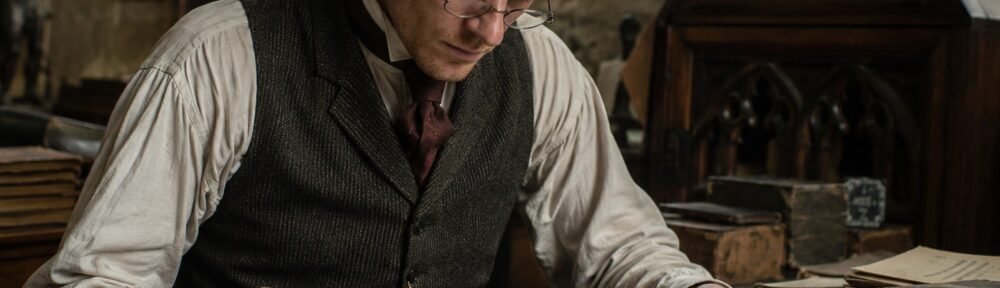
The new novel is taking shape. I am spending my days writing a story from start to finish with no thought yet for chapter length or book length, and I’m enjoying the freedom and process immensely. I’m also writing a great deal of text that isn’t for the book, but for me, and that is all part of the process.
The first draft is where I tell myself the story. I do this as best as I can without knowing the characters, but as I go through, I discover more about them, and often, more about them than I need. I already have a few pages of discarded description in my ‘Cut’ folder, and far too much other ‘telling’ description in other places. When the first draft is done, and I read back over it, I will take out the excess, leaving in place only what is needed, and improving it if I feel it needs improving. I don’t throw away the cuts, though, because they might be useful somewhere else.
I think many writers become precious about their work, and leave long and unnecessary passages in their books because they don’t want to let them go. ‘I wrote that, it’s lovely, and I like it.’ Fine, but does the story need it? In a lot of cases, no. But in some cases, maybe another story will need it, or maybe you will need part of it for something later. Either way, it’s a good idea to be ruthless, but keep your cuts, because you were obviously trying to say something, so you need to ask yourself why.
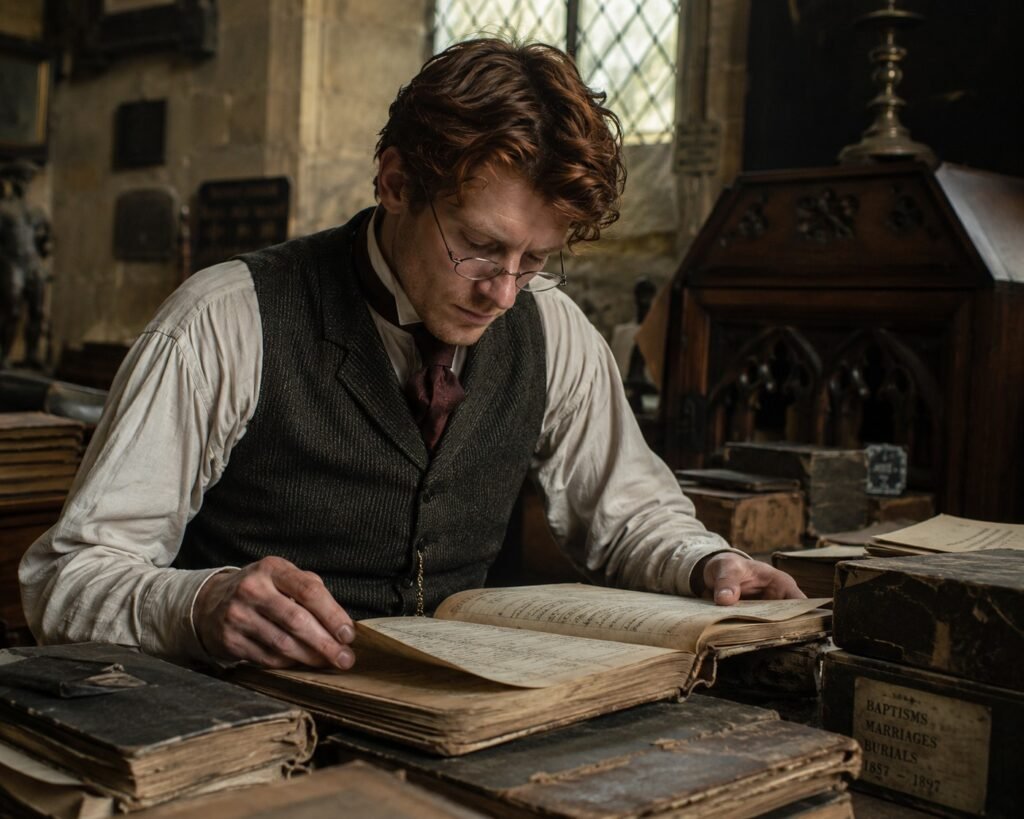
For example, in my ‘Cut’ folder for the new book, I have 1,000 words about the impact character, Harvey Cade. He is the archdeacon’s agent, sent from Canterbury to examine the parish registers of a Kent village in what was a regular yearly or five-yearly audit (for want of a better word). That’s his job, but who is he?
I had him riding his bicycle from Canterbury to the village, and while he was doing so, I wittered on about his past, schooling and so on, in a very obvious ‘Tell’ scene.
I am referring to the old saying that you should ‘show, not tell’ in your narrative, though I don’t necessarily agree with that all the way to the finish line. I mean, ‘It was the best of times, it was the worst of times’ is a famous opening line, and it’s simply telling us information. (A Tale of Two Cities.) Sometimes, this works, and it’s perfectly acceptable, as it was in Dickens ’ case. So why not open with a similar line, like this one from the cut chapter.
Harvey Cade had learnt to be two people, and whichever one he was at any one time was all to do with whose company he was keeping.
Yeah, okay, maybe a little mysterious, but this character trait is something that would be easy to show rather than tell. In fact, Harvey explains that he was brought up in a small village, but went to a public school where he was taught to lose his country accent and behave like a gent. That is all I need to tell the reader. Rather than write, ‘This left him able to talk in two voices and play two characters’, it’s much more rewarding to show him talking one way with a villager and another way with the archdeacon. That shows the reader that he has two different ways of behaving.
The second cut sentence was: This wasn’t a condition brought about by trickery or the desire to mislead, because he was at heart a very un-misleading person, and the original him was still present beneath whatever façade a situation required.
Yeah, yeah, whittering blurb that I should keep to myself. I can show him being a very un-misleading person later in the story. Right now, he’s cycling along a Roman road on his way to a new assignment. Why does the narrator need to tell the reader everything about him in his first scene? Save it for later and drip it out through the story, and if you can, show him being un-misleading through his actions or dialogue.
I’m not going to bleat on about it. I just wanted to get this thought out of my head and onto a page before getting back to chapter 30 of the new book ‘Untitled’, but I am playing around with the idea of ‘Journeyman Joe’, or ‘Apprentice Webster’, because many other suitable titles are already clichés. But titles are another story.
Newsletter
The September newsletter and all its promo ideas will be out on the 5th, so make sure you have signed up by then. Sign up here.