I wrote ‘A Night of Opposites’ with class in mind. The 19th century, particularly the Victorian era, saw prolific writing on the subject of the strata of society.
Friedrich Engels’ The Condition of the Working Class in England appeared in 1845, and is a landmark study of the industrial proletariat. What we might call ‘social’ novels by authors such as Charles Dickens and Elizabeth Gaskell talked about class divisions in works such as Hard Times (1854) and Mary Barton (1848).
Then, there were the social surveys. Most famous of all is Charles Booth’s massive survey, Life and Labour of the People in London (1886–1903). This provided a detailed, mapping-based analysis of poverty and class.
Charles Booth’s Poverty Map and Delamere
Let’s have a quick look at where Jack and Will grew up, according to the map, which was published only a few years before the events of Delamere.
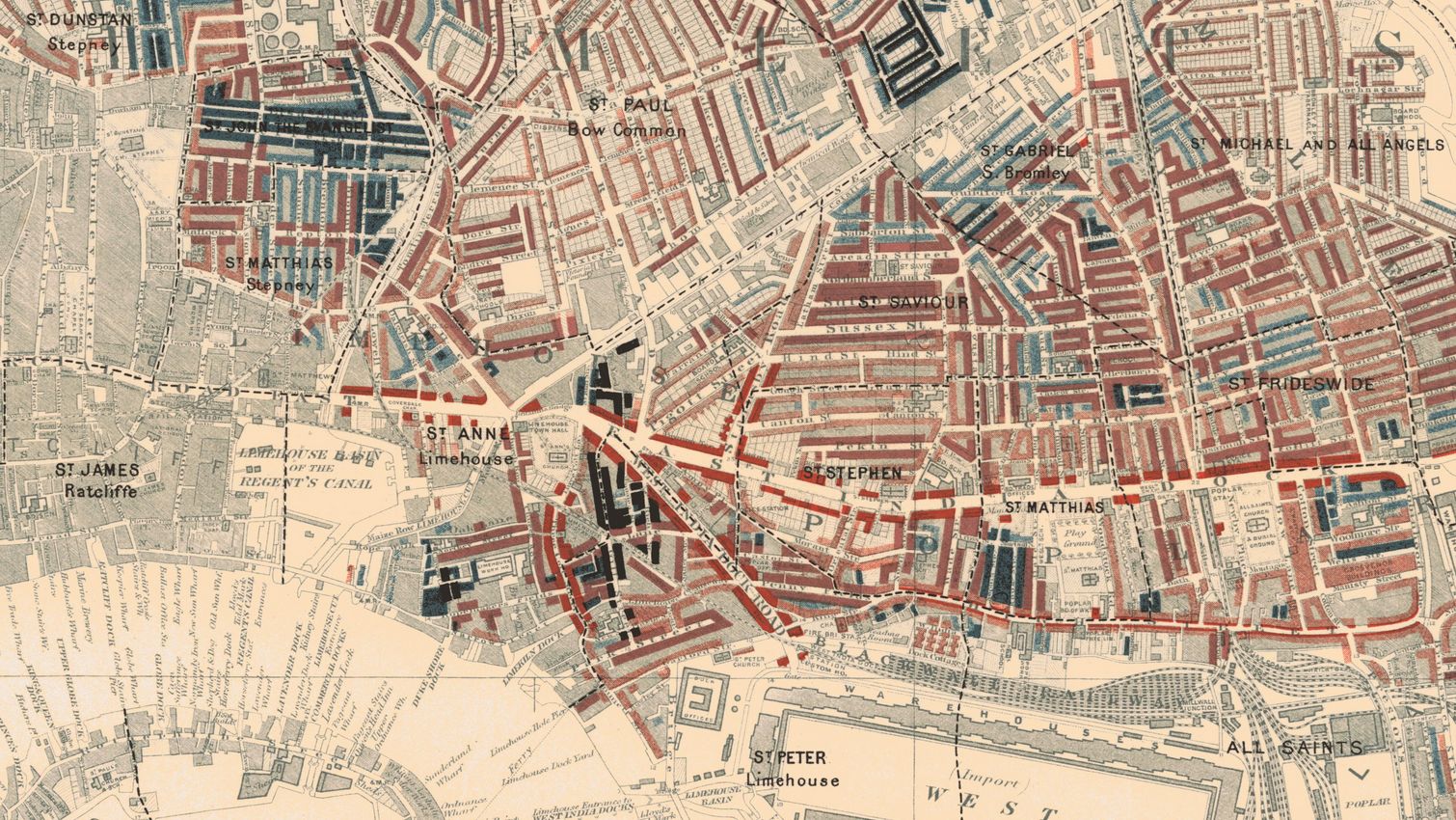
To see the full set of Booth’s maps and enlarge areas for free, visit https://booth.lse.ac.uk/learn-more/download-maps
In more detail:
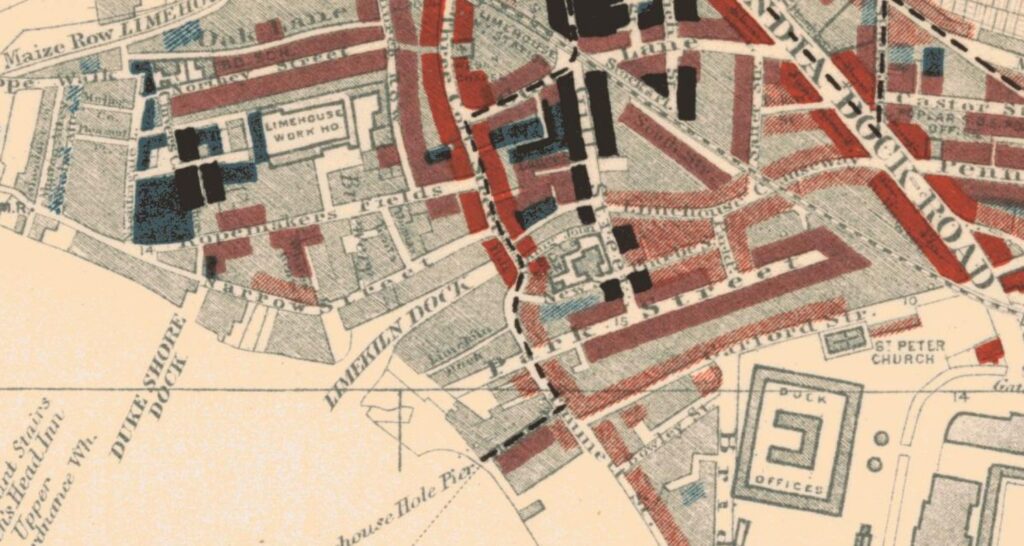
I imagined Jack and Will as living in ‘Limehouse Row’, which didn’t exist, but which can be taken for the area to the right of Ropemakers Fields, in the dense black area (‘semi-criminal’, by the key), which is among the reddish/purple area (‘poor and comfortable mixed’).
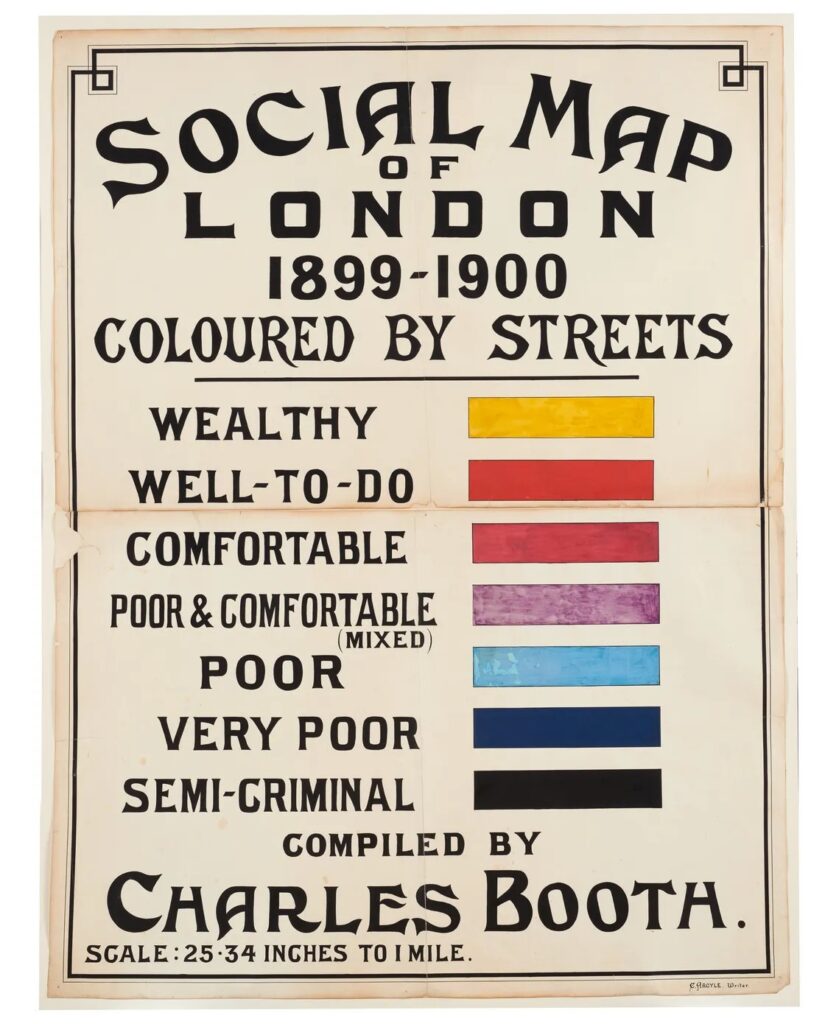
Here’s the key:
Baxter hails from Shadwell, slightly to the west of Jack, but as you can see, a very similar mix of people poor enough to be considered criminal class, and what we might now call upper-working class. In other words, hard-working men with their own businesses, like Baxter’s father, are alongside the unemployed. It is easy to see why there was so much dissent and tension in the East End at the time.
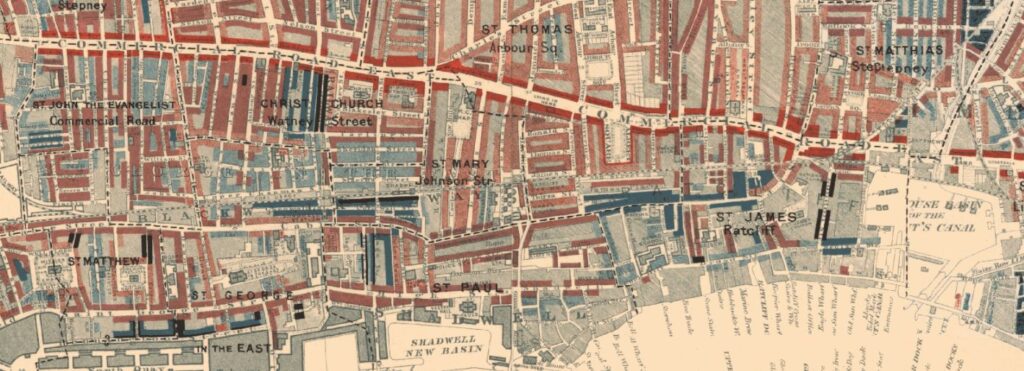
Compare the docklands area to where Clearwater House and Delamere House are situated.
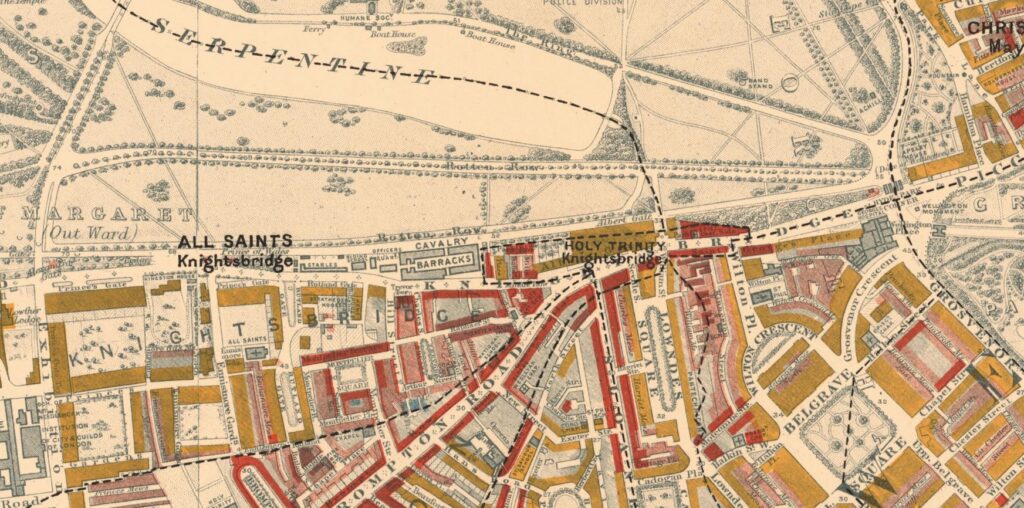
Again, Bucks Avenue doesn’t exist. I chose ‘Bucks’ right back in ‘Deviant Desire’ because Bucks Row was the location of a Jack the Ripper murder, and Clearwater, Silas, and the rest were ‘young bucks.’
My Delamere House is situated roughly where the Cavalry Barracks stand, and lies among a lot of red and orange, meaning my boys now live among the well-to-do, wealthy and comfortable, which is what all of the characters now are.
This is the land of Lord Clearwater, and now, Jack Merrit and Co., and we must remember that everyone now living in Delamere House has either come from a very lower-class background or, in the case of servants, from a slightly upper-lower working-class background. The one society might have classified as being the highest class by birth would be Charlie Inning, because his father worked in the city and the family lived in the country. Booth didn’t cast his survey that wide, so I can’t comment on what he might have thought, but according to him, among the other characters, Mr Sparks might have come top of the class by being lower-middle class, because she was from the Streatham area. Again, the map didn’t cover that far south, so I can’t be sure.
It’s interesting, though, that because of a change in fortune, the cast-class order, by 1894, has been rearranged.
Their changes in fortune are, ultimately, thanks to the philanthropist, Lord Clearwater and his desire to buck the fashionable class-system trend, and lift the lower classes to a position of something higher.
However, the Delamere characters still fit into social classes either because of where they come from or where they now see themselves. (Or would have, had the map been available then.)
I drew up a list, classifying them according to the class they are now in, and saw that by using the classification very loosely, I could fit one into every class by varying degrees. For the Clearwater/Delamere nerds amongst us (and I, of course, include myself in that), here’s the list from top down as the characters might have seen themselves according to the map of 1889.
Top class Lord Clearwater
Upper Class Sir Easterby Creswell
Lower-upper Silas Hawkins, Tom Payne, Jimmy Wright
Upper-middle Will. Jack now is, but doesn’t want to be. Larkin Chase.
Middle-middle Charlie Inning.
Lower-middle Ned. Baxter.
Upper working Max. Ronny & Simeon (because they are men).
Mid-lower Mrs Sparks (because she is a woman).
Lower Originally Jack, Will, Baxter.
Lowest Originally, Ronny & Simeon.
Why?
Because it helps the writer to know what class society considered his characters to be from, and considered themselves to be in, especially in the late 19th century and onwards, when a person’s class meant everything.
I could expand the list to cover all characters in all three mystery series, but we’d be here all day because there are so many. However, I thought you might find the above interesting, and I might include it, without maps, in the author’s notes of ‘A Night of Opposites’, which should be with you in a couple of weeks.