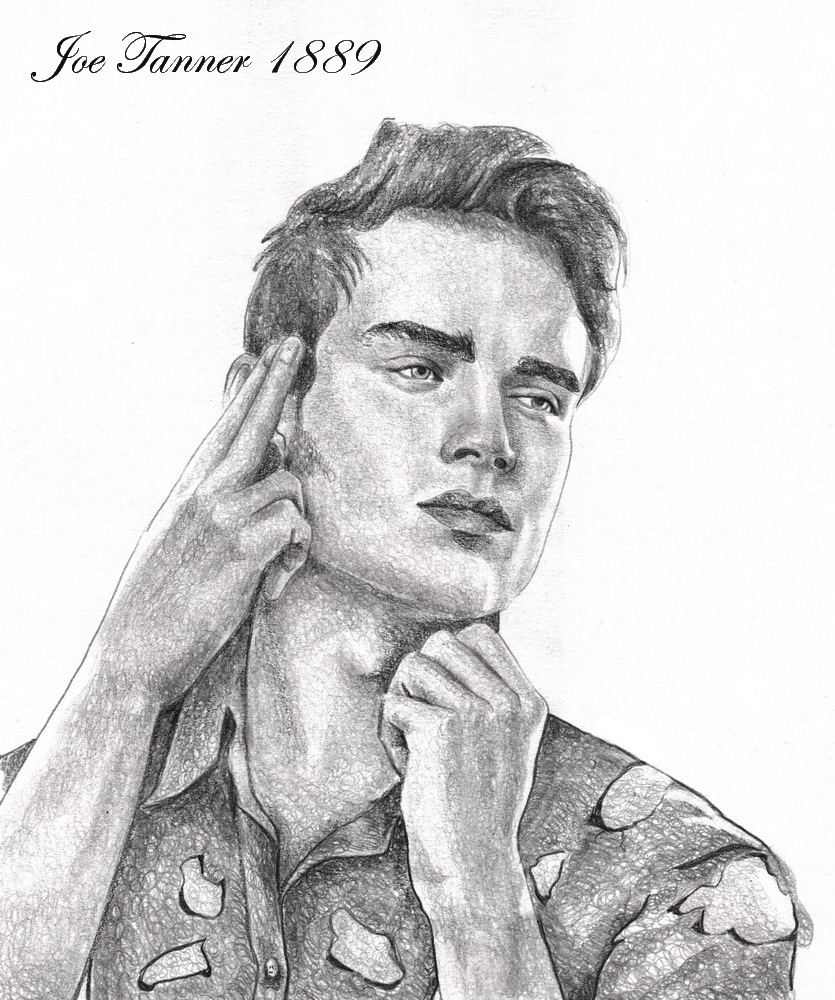
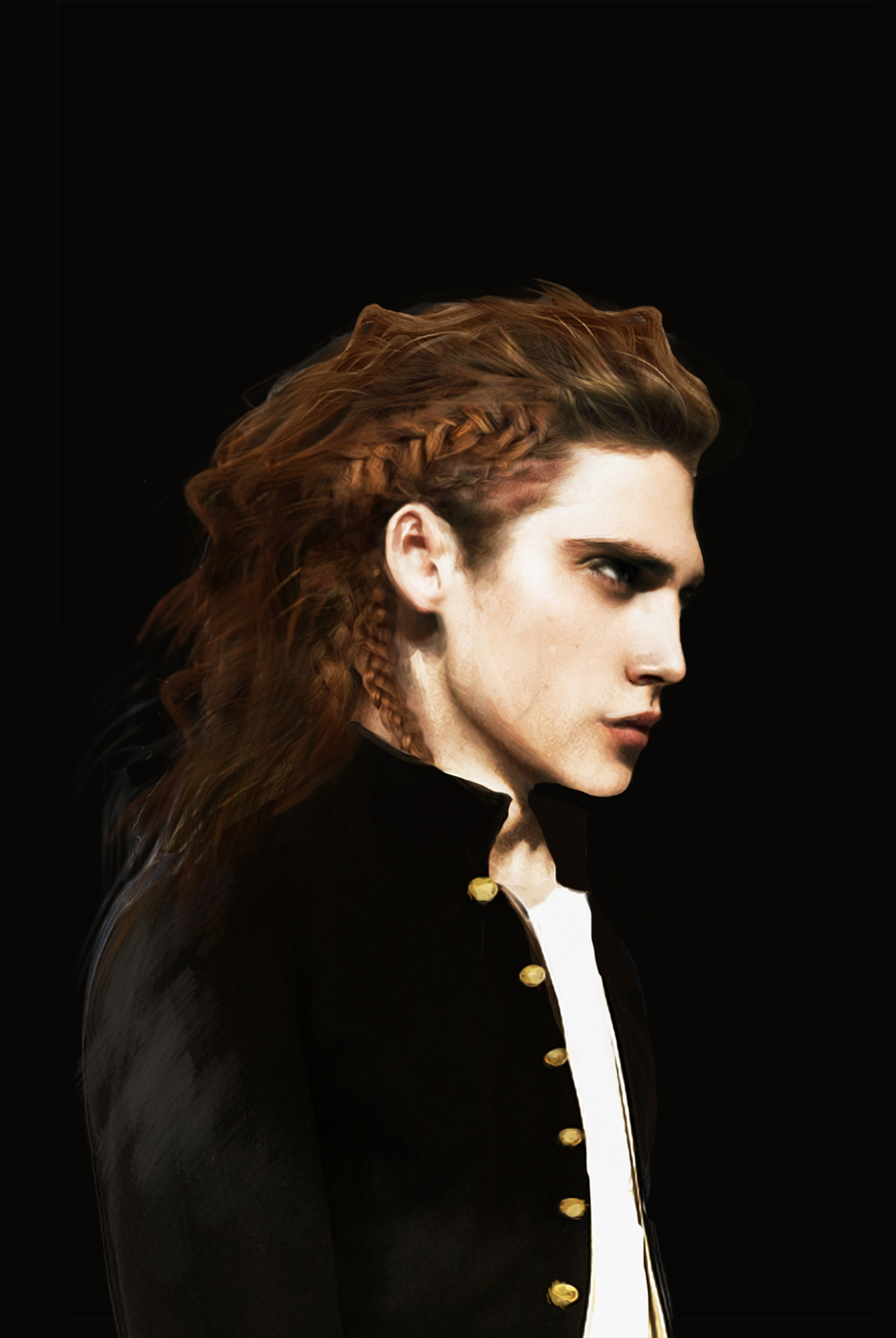
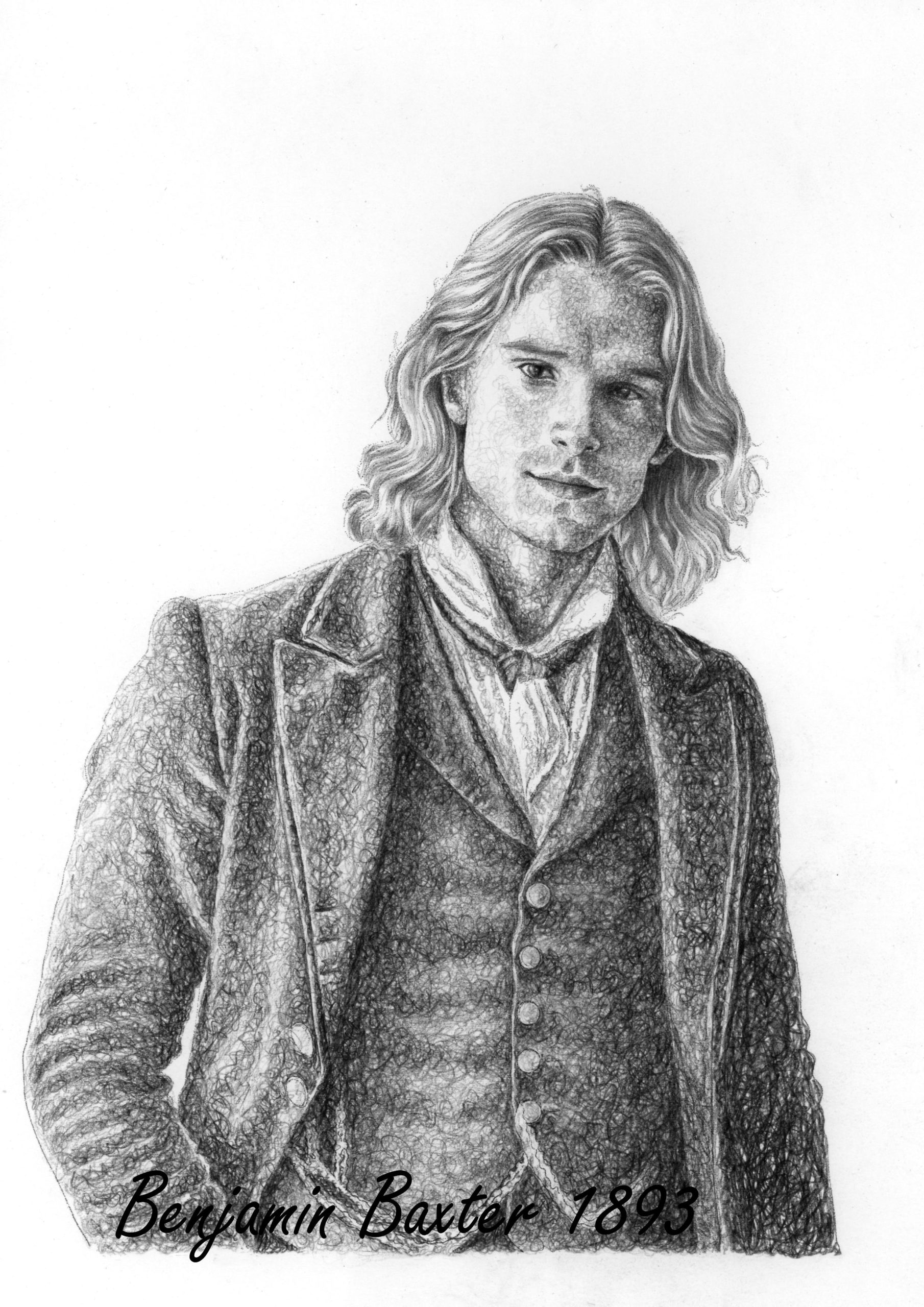
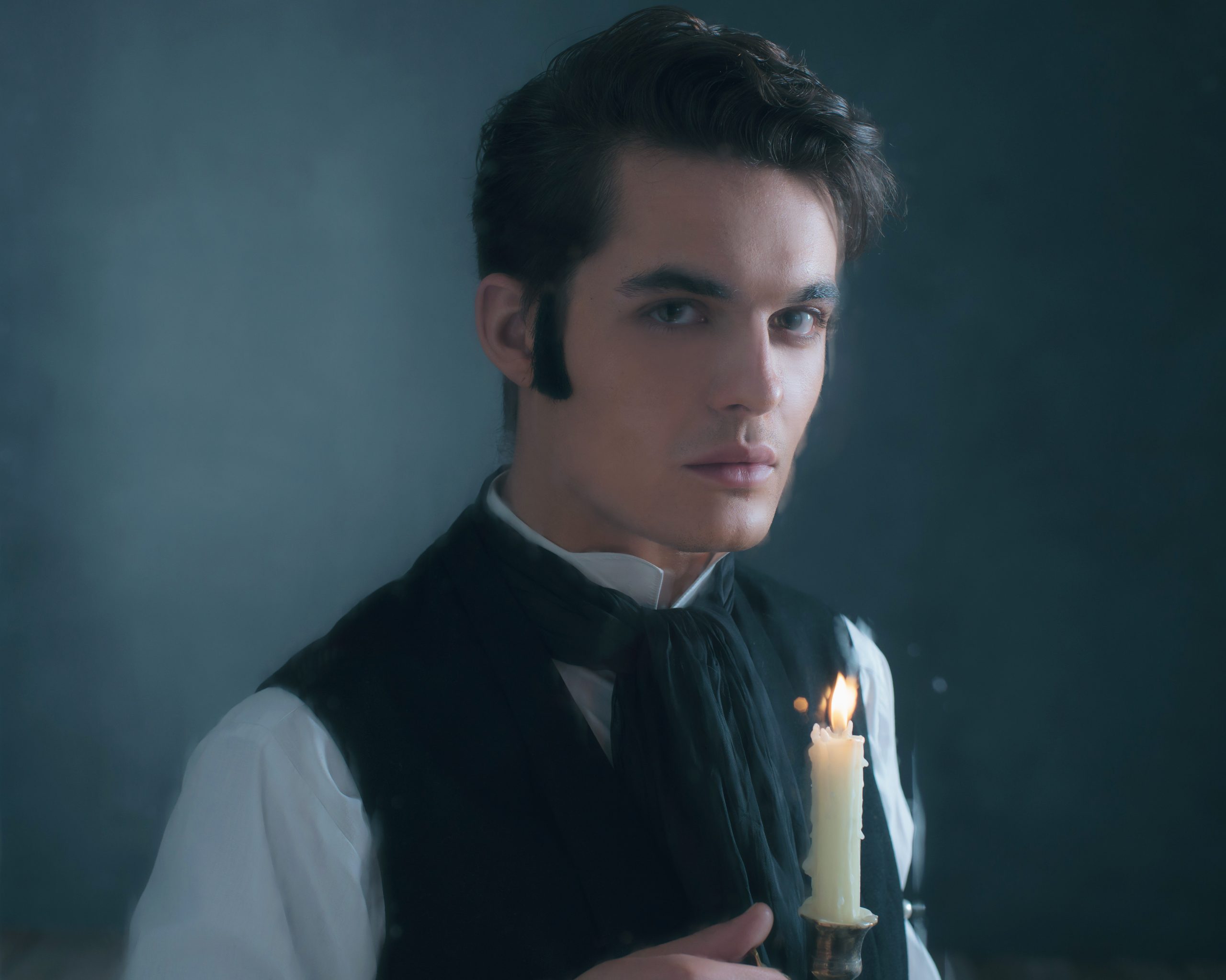
The Class of Delamere, 1894

I wrote ‘A Night of Opposites’ with class in mind. The 19th century, particularly the Victorian era, saw prolific writing on the subject of the strata of society.

Friedrich Engels’ The Condition of the Working Class in England appeared in 1845, and is a landmark study of the industrial proletariat. What we might call ‘social’ novels by authors such as Charles Dickens and Elizabeth Gaskell talked about class divisions in works such as Hard Times (1854) and Mary Barton (1848).

Then, there were the social surveys. Most famous of all is Charles Booth’s massive survey, Life and Labour of the People in London (1886–1903). This provided a detailed, mapping-based analysis of poverty and class.

Charles Booth’s Poverty Map and Delamere
Let’s have a quick look at where Jack and Will grew up, according to the map, which was published only a few years before the events of Delamere.
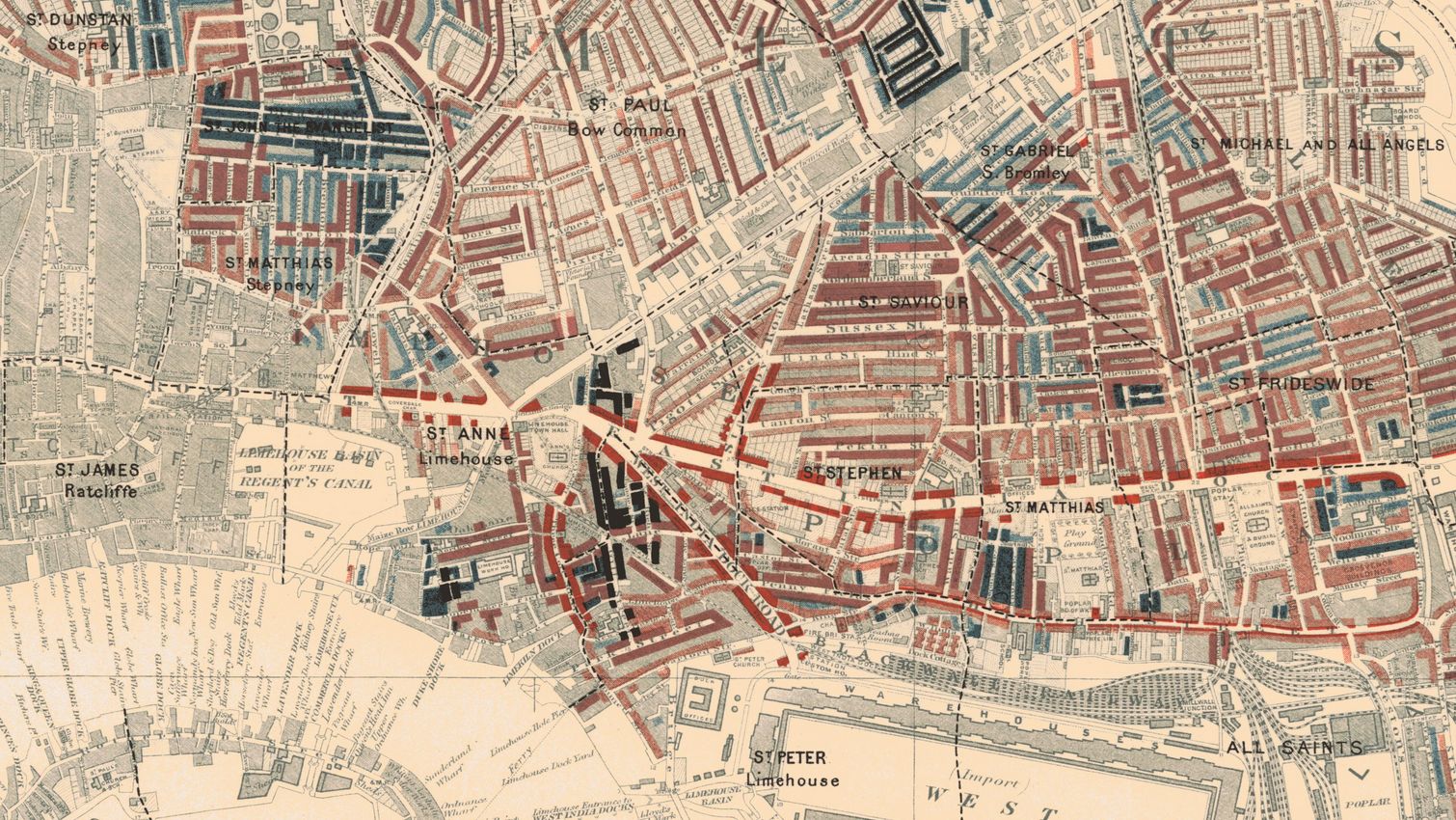
To see the full set of Booth’s maps and enlarge areas for free, visit https://booth.lse.ac.uk/learn-more/download-maps  

In more detail:
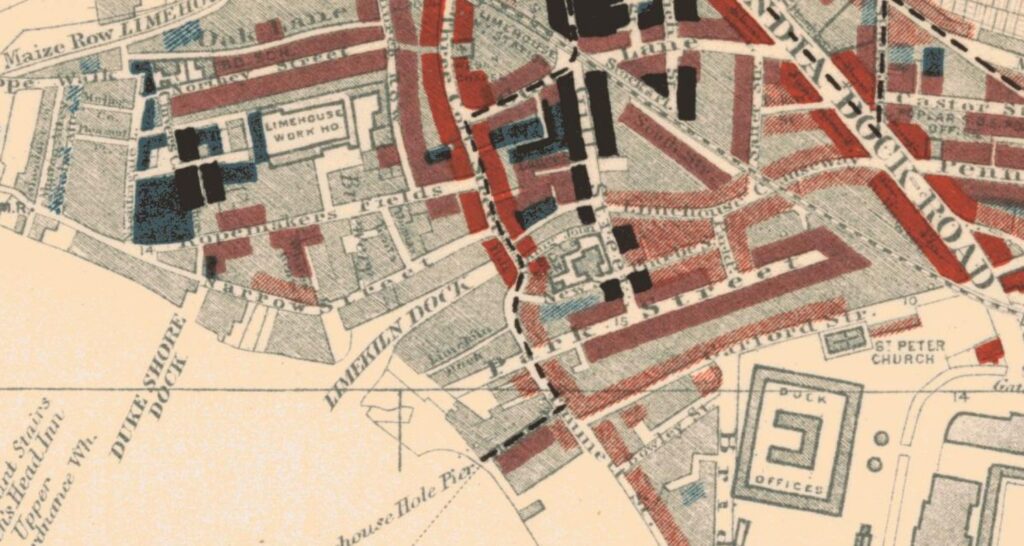
I imagined Jack and Will as living in ‘Limehouse Row’, which didn’t exist, but which can be taken for the area to the right of Ropemakers Fields, in the dense black area (‘semi-criminal’, by the key), which is among the reddish/purple area (‘poor and comfortable mixed’).

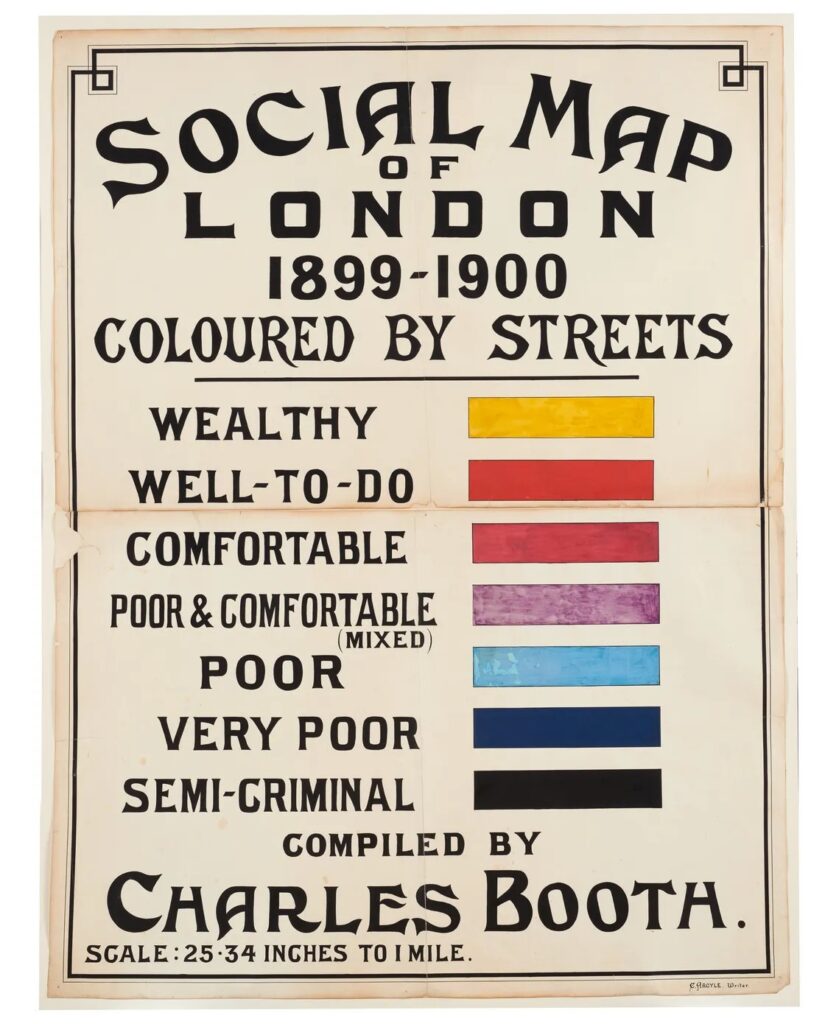
Here’s the key:
Baxter hails from Shadwell, slightly to the west of Jack, but as you can see, a very similar mix of people poor enough to be considered criminal class, and what we might now call upper-working class. In other words, hard-working men with their own businesses, like Baxter’s father, are alongside the unemployed. It is easy to see why there was so much dissent and tension in the East End at the time.
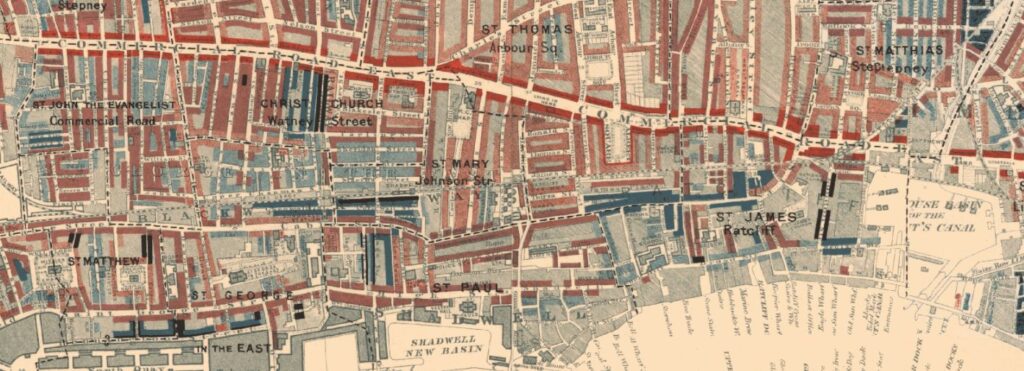
Part of the Shadwell area – Limehouse is just off to the right.

Compare the docklands area to where Clearwater House and Delamere House are situated.
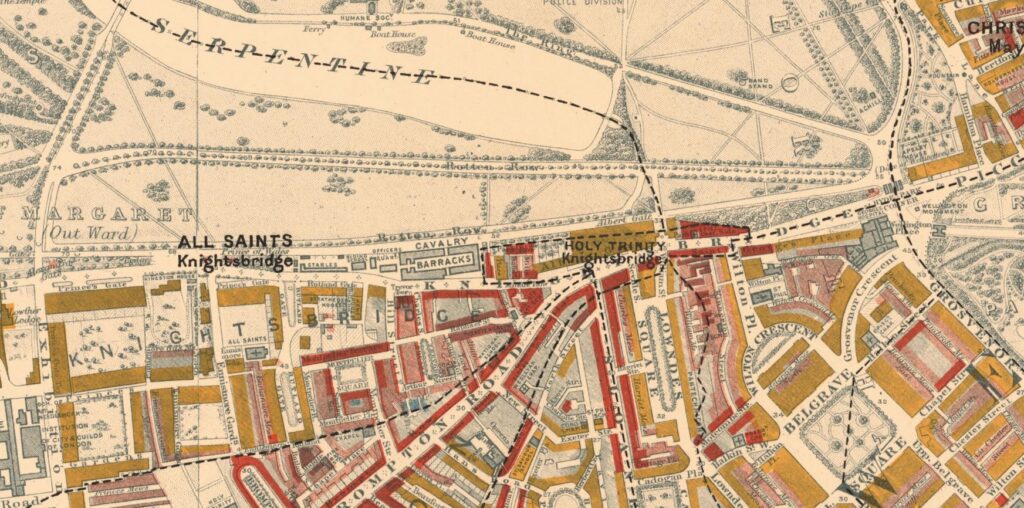
Again, Bucks Avenue doesn’t exist. I chose ‘Bucks’ right back in ‘Deviant Desire’ because Bucks Row was the location of a Jack the Ripper murder, and Clearwater, Silas, and the rest were ‘young bucks.’

My Delamere House is situated roughly where the Cavalry Barracks stand, and lies among a lot of red and orange, meaning my boys now live among the well-to-do, wealthy and comfortable, which is what all of the characters now are.

This is the land of Lord Clearwater, and now, Jack Merrit and Co., and we must remember that everyone now living in Delamere House has either come from a very lower-class background or, in the case of servants, from a slightly upper-lower working-class background. The one society might have classified as being the highest class by birth would be Charlie Inning, because his father worked in the city and the family lived in the country. Booth didn’t cast his survey that wide, so I can’t comment on what he might have thought, but according to him, among the other characters, Mr Sparks might have come top of the class by being lower-middle class, because she was from the Streatham area. Again, the map didn’t cover that far south, so I can’t be sure.

It’s interesting, though, that because of a change in fortune, the cast-class order, by 1894, has been rearranged.

Their changes in fortune are, ultimately, thanks to the philanthropist, Lord Clearwater and his desire to buck the fashionable class-system trend, and lift the lower classes to a position of something higher.

However, the Delamere characters still fit into social classes either because of where they come from or where they now see themselves. (Or would have, had the map been available then.)

I drew up a list, classifying them according to the class they are now in, and saw that by using the classification very loosely, I could fit one into every class by varying degrees. For the Clearwater/Delamere nerds amongst us (and I, of course, include myself in that), here’s the list from top down as the characters might have seen themselves according to the map of 1889.

Why?

Because it helps the writer to know what class society considered his characters to be from, and considered themselves to be in, especially in the late 19th century and onwards, when a person’s class meant everything.

I could expand the list to cover all characters in all three mystery series, but we’d be here all day because there are so many. However, I thought you might find the above interesting, and I might include it, without maps, in the author’s notes of ‘A Night of Opposites’, which should be with you in a couple of weeks.
WIP: A Night of Opposites

That’s a working title, but it’s better than ‘Thirteen’, which was the working title of Delamere 11 until yesterday. As I search back through my notebooks, I see other options written at the top of pages as ideas occurred: ‘Attempting Fate’ was another – a nice play on words, perhaps, but only slightly to do with the intricate plot of this one, where some characters are tempting fate by breaking superstitions. ‘A Baker’s Dozen’ was another, but that’s weak, except it gave me an idea for book 12, which may be the last in this series – and the title won’t be ‘A Baker’s Dozen.’

I keep handwritten notes as I go, and for this first draft, there are 16 pages of them. If I look back through the book to previous novels and their notes, I find A Depraved Indifference has 14, whereas Snake Hill only has 7.5, because some books are easier to keep track of than others.

A Night of Opposites, or whatever it is called, has a detailed backstory to it, but this is only known by the villain and by the reader- there’s a challenge for you. How do the characters find out what we and the baddie know without making it too easy? It’s a case of connections, and some are thin, but vital. Details are also vital, which is why I keep the notes. Often, when I am on a new page of notes, and something important is further back, I repeat that word as a reminder at the top of the page I am noting on. Therefore, I look back and find oddments at the top of the pages, and for the current WIP, some read like this:

11. Orlando Active 1887 onwards. | 61/married at 25/son born 1859/ died 1882. | Jinks | Blanch | Ormolu clock | “Opposite” | 6 is next door | Exploding cocoanuts |

That last one is real but not what you might think!

I shall ask you what you might think once the book is out there, and that should be out in April, depending on how the second draft goes.

That’s all for later. Here, for now, if you are looking for something spicy to read and you missed the last newsletter, here’s a list of titles that might spice up your life this spring.

M/M Erotica – March

Romance / Active/Erotica and Romance / LGBT

The title says it all – Anything goes in these 71 erotic novels.

Including ‘The Mentor of Wildhill Farm.’ (NSFW)

https://books.bookfunnel.com/mmeroticamarch/15pp94n8xc

Facebook Groups for Queer Indie Authors and Their Fans

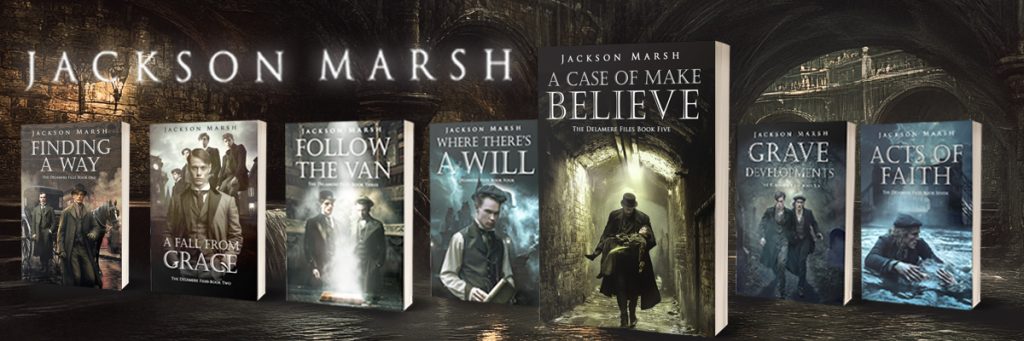
There are currently ten books in the Delamere Files series, and I suspect I’ll be reading all of them.

That was the last line of a review of ‘Finding a Way’ that appeared in a Facebook group last November.

As always in these books, the fairly placid opening chapters begin to speed up, until the heart-stopping denouement brings everything to a climax.” Posted by the same reviewer two days ago, about ‘Acts of Faith’, book seven in the series.

In between times, he has written a thoughtful, accurate and positive review of each book in turn, and says he intends to finish the series. Sounds like good news for me!

I’m mentioning this today because the reviewer, Ulysses, is not alone. I recently found positive reviews of the series on other Facebook pages, and that made me think of other indie authors and their fans out there.

These pages and groups have worked well for me, albeit randomly, and they would, I am sure, like a few more followers. These aren’t the kind of pages where you only see promotions, though there are plenty, they are more concerned with the literature and its authors.

All I list here are great communities, but there are many more. I hope these will be of interest to readers and authors alike.

By the way, if you search for my name within the group, you should find all the reviews published there to date.


Queer Romance Ink

As usual, click the image to follow the link. You might have to join the groups in order to browse.

https://www.facebook.com/groups/queeromanceink


LGBTQ+ Mystery-Thriller-Suspense Fiction

https://www.facebook.com/groups/518503111562540


Gay Men Loving Gay Books

https://www.facebook.com/groups/gaymenlovinggayfiction


Can I find 10,000 people who like LGBTQ+ romance novels?

https://www.facebook.com/groups/121643342280


Newsletter & Promos

There will be another newsletter on 7th March, so make sure you are subscribed.

I’ll have some new listings for you, some promos to explore, where LGBTQ+ novels are on special offer or simply being advertised, and there will soon be news of Delamere 11 – check back on Wednesday.

Update and Make Notes

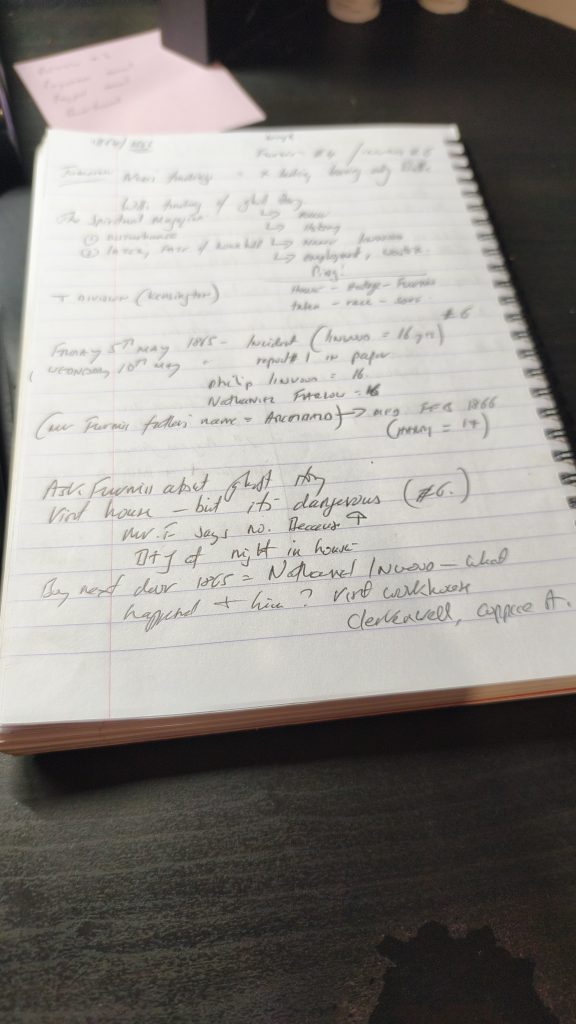
Today’s work in progress update is to let you know that I am now over halfway through the first draft of ‘Thirteen’ (working title, and it’s book 11 in the series), and had just had my midway twist. The trouble is, I wrote it a couple of days ago, and have had a day off in between, and now, I can’t remember what I wrote, so today will start with reading back. I turn to my notes, and find them of some help, although, as you can see, they may baffle some people, including myself.

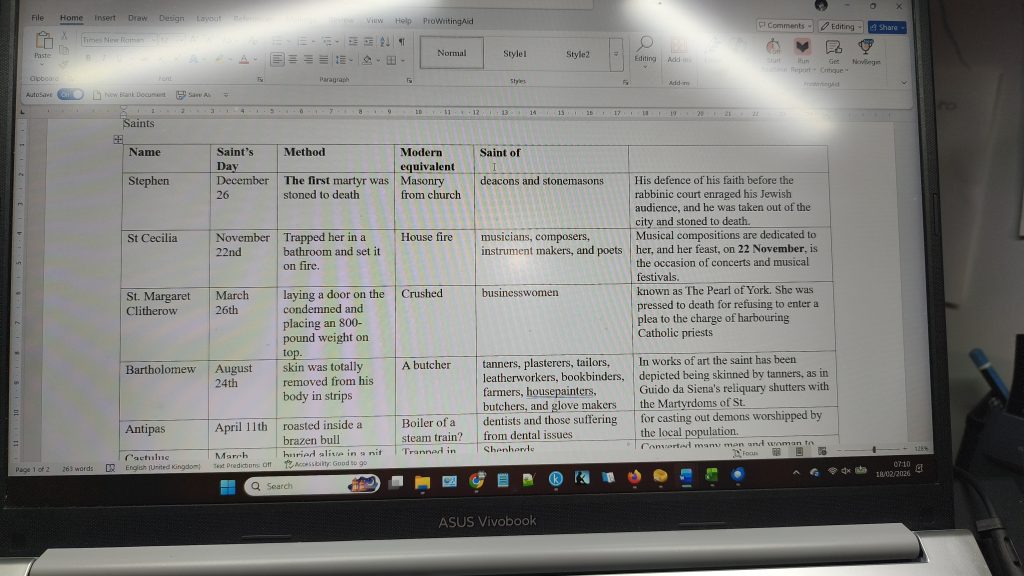
That is one page of 11 so far on this story alone. As I write the chapters, I jot down important facts for later, and then, when the mood hits, I filter the notes and write up a file that I can edit as I go. Here, for example, is a chart I made up to keep track of the murders in ‘Acts of Faith.’

In the case of ‘Thirteen’, I have a file called ‘Tie ups’, which is where I note plot points, conversations, clues and questions that I must come back to and answer later in the book. I can’t show you that or tell you too much as that would give away spoilers.

Do all authors do this? I don’t know. I do know that some authors plot and plan their entire story before starting out. They make up lengthy backstories about their characters, they, as they do when making a film, will have a character ‘bible’, and list all their traits and mannerisms, loves and hates and so on ad infinitum. Then, they will so the same with the plot, and draw grids with action lines and other grids with emotional throughlines, great big red arrows for twists and, beneath, a rough wordcount. Then, they will start writing.

I have tried that approach, and it’s not for me. In the case of Delamere Eleven, I was reading a newspaper from 1893, looking for ideas, when I came across a mention of the Thirteen Club. I’d not heard about them before, so I did some research, and later that day, started writing the book. I had a rough idea where the story would end up, and nothing else. That’s the fun part about making it up as you go – I only know as much as my characters know. I write, mainly, from the point of view of my leads, Jack and Will Merrit, and now, Ben Baxter (sometimes others). These are the investigators, and they have no idea what they are investigating until they begin, and neither do I.

When starting a new story, I set a scene for something to come, and near the start of the story/scene, I make sure the ‘domestic’ matters are up to date. (I have a nasty habit of placing characters and keeping readers informed of their lives. Example: in this book, Simeon is learning to drive. Is that relevant to the plot? It might turn out to be, I don’t know yet.) How the scene/story will end, I can’t tell you, not at the start because Jack and Co don’t know what’s coming their way either.

Therefore, I make notes as I go. Notes and ideas. They drop into my head as I’m bashing the keyboard, and I take a hurried moment to write something down, which is why my handwriting is so messy. Later, after reading back what I have written, I will adjust them or file them in the Tie Ups file. Also, when an idea occurs, I note it at the start of the next chapter. I finish, say, Chapter Nine, reread it and type up a list of where the story is going next. This I do under a new document, in this case, ‘Chapter Ten.’ Not only does this remind me of what I was thinking, but it usually gives me a PoC. A Point of Chapter, as I call it. Every sequence, section, scene, needs a point of some sort, and if you set off on a new chapter with the PoC in mind, you can’t go wrong.

Where you go wrong is when you forget to make notes and rely on your characters to remember what they were going to do, talk about, or discover. Sadly, without you knowing, they don’t know, so all you can do is knuckle down and see what they are going to throw at you next.

Yesterday, when setting up today’s writing, I prepared Chapter Fifteen, and the first few notes read:

Friday morning
Jack bad night worrying about Larkin
Catch up on hotel visit
Ned’s findings

There you go. That’s what we can expect to find in the next chapter, except there are 540 words of notes and reminders, so who knows what Jack is plotting. Not me!


If you’re still up for it, here’s a promo to promote and check out this week – if you can.

LGBTQIA+ Book Fair

Genres: General Fiction / LGBT and Romance / LGBT

Here’s another mixed bag for you. There are 41 titles here, ranging from Victorian MM Mystery to contemporary love stories.

Click to browse.

https://books.bookfunnel.com/bfhostlgbtqiaslfeb/elfhzuiyuj

Who’s your Clearwater Valentine’s Date?

It’s February 14th, and you must choose one Valentine from fourteen. Who will you pick as your date?

This is just for fun because, sadly, I can’t bring my characters to life anywhere else but on the page. But, if you could invite one of them to step from the past and go with you on a Valentine’s date, who would you choose?

Below, in random order, are fourteen characters from the Clearwater, Larkspur, and Delamere Mysteries. I have put their name and their main series so you can see who’s who.

When you’ve made your choice, put a comment on my Facebook page and let’s see who you think would be good to take on a date, and why. (You can copy and paste the photo too, if you want.)

The gallery is open…

Valentine’s Day 1894

Valentine’s Day is but a week away. Any plans? If they involve reading, then I have a list of suggestions for you at the bottom of this post.

As for me, I expect we shan’t be going to a fancy restaurant or the cinema, ice skating or laughing in the park because we don’t have any of those things on the island. If we do go out, it will either be to the bar where two TVs play at once, or to the café by the playground where there’s always a children’s party to go with your onion rings, or we’ll go to our taverna for some chips, which is about all they cook at this time of year. Chips and liver.

I am wondering, though, if and how I could use Valentine’s Day as a background theme to one of my mysteries. (Let’s shorten it to VD; it’s easier to type.) It’s been done before, as you will see from the list below, but there’s no reason VD can’t be used as a theme/background/plot device in an original way.

I went to have a look at the National Newspaper Archive to see what the nation’s thoughts were on VD in 1894. By then, the sending of cards was very popular, and VD was celebrated. There are articles in the papers telling us that it is not as well observed as it used to be, in a religious sense, but the exchange of fancy, anonymous cards and greetings on VD was popular. Poems were much involved, too, especially in Britain.

I found this, then, current thought in the Aberdeen Express, on February 14th, 1894, and it made me smile.

To-day (sic) is St Valentine’s Day, and we notice, with great regret, that here, there and everywhere in print, ancient and very superstitious doings are advocated, by means of which the gentle saint is to aid and abet lovers and other foolish folks. We need not point out to our readers that all these things betoken vanity and gross ignorance, and that the only correct way of invoking the aid of the “holy blessed martyr” is to place two bay leaves, after sprinkling them with rose-water, across a pillow, and repeat the formula:

Good Valentine be kind to me,
In dream let me my true love see.

I imagined that was written by a strict and dour Scotsman of some cloth or other (we notice with great regret… superstitious doings… vanity and gross ignorance). Lots of bluster and fear of God behind the voice. But then, he made me laugh by cutting his dour tone and telling us how to cast a spell. Maybe he wasn’t a man of the church after all.

What he gives us is an idea for something you could do on Valentine’s Day, and if you don’t have a special someone whose pillows you could sprinkle, then surprise a neighbour, or even a stranger. I am sure it would lighten their day.

Enough silliness. I am away to beaver away on Delamere Eleven, but I will leave you with the list – the promo list of 30 titles where Valentines come in the guise of murderers and assassins.

Click, browse and share, and I’ll get back to chapter ten…


Killer Valentines: MM Assassins and Murderers

Genres: General Fiction / LGBT and Romance / LGBT

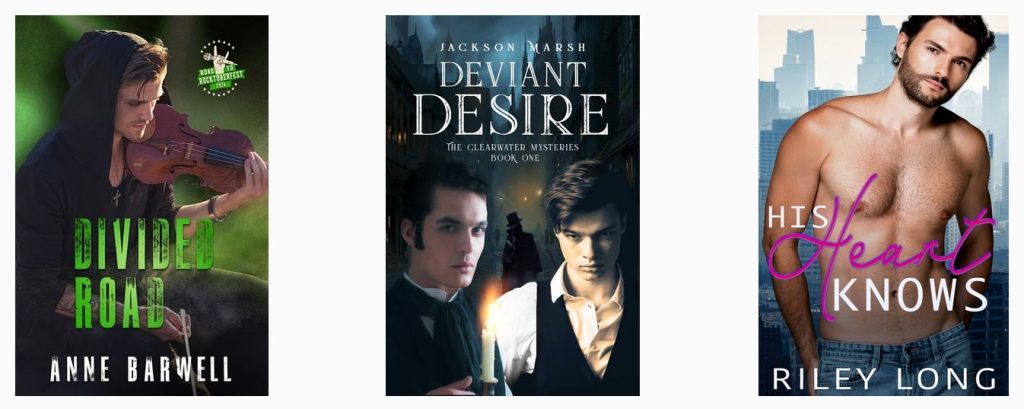
There are 30 titles, including Deviant Desire, which is one of only a few historical fiction-themed covers, as far as I can see. It’s hard to see what with so much naked flesh also going on… Looks like there’s a mix of genres within the MM murderings.

https://books.bookfunnel.com/killervalentines/2g4p3u3ub1

Blurbs

How I Write Book Blurbs

The other day, someone asked me to comment on their book blurb. I did, and in doing so, reminded myself of a post I had written in 2020. I thought now was a good time to repost that post, because nothing has changed. People are still asking me to advise on their blurbs. Perhaps I should charge next time?

Maybe not. So, here’s the post from before and as relevant now as it was then.

Recently, I noticed a few new writers on Facebook groups asking for advice about their blurbs and putting up some examples of what they had come up with. I found myself cringing at some and being impressed by others, and thought I would talk about the way I write mine. This short guide is about what I do. Whether you decide this is a good way to do it, or whether you think, ‘Hm, I’ll avoid his advice,’ it’s up to you.

So, what is a blurb?

A blurb, also known as a book description, is found on the inside back cover of a hardback, on the back cover of a paperback and/or on the Amazon page under the product description. It’s the thing that a potential reader usually looks at after they’ve been impressed by your cover, or not. It’s your story in a nutshell and is probably the hardest thing to write after a logline. You are condensing your book into 150 to 200 words, after all, but you are doing so much more than that.

Start with a Logline

A logline is perhaps more of a filmmaker’s term, and it aims to reduce the film/story into even fewer words. When I write my books, I desperately fight to come up with a logline first, so I know what my story is, and then using that line as my focus to keep myself on track.

Yeah, right, well… Often I come up with it halfway through or at the end, because by then, I actually know what the story is about because the characters have taken over, but that’s me, and that’s novel writing. Film loglines, however, are a good place to start when writing a blurb because they help you focus.

An example of a logline would be: The ageing patriarch of an organised crime dynasty transfers control of his clandestine empire to his reluctant son. (The Godfather)

Loglines are not to be confused with taglines, the publicity headings if you like. A tagline would be ‘In space, no one can hear you scream’ (Alien), or, ‘There are 3.7 trillion fish in the sea. They’re looking for one.’ (Finding Nemo).

A logline for my new release (due out on Monday/Tuesday of next week) might be:
A Ukrainian refugee and the son of an Irish immigrant meet, bond, and become sex workers in Victorian London.

That’s a very simple outline of ‘Banyak & Fecks’ but is the overarching story, therefore should be the basis of the blurb.

From Logline to Blurb

Do you know what your story is about, or do you only know what happens?
A blurb isn’t a synopsis. Well, it is, kind of, but it’s not a full synopsis. It’s 150 to 200 words that a) introduce your main characters, b) set the stage for your conflict, c) establish the stakes/risks, d) show the reader why they will like this book. Simple, eh?

No, not really.

Here’s a made-up example of what I consider a bad blurb based on a few I have read.
“Jack searches for love and has a one night stand with Jock that leads to them becoming insta-lovers, but Jess gets jealous and kills Jack in a brawl the next day. Jock yearns for his lost love like a teenager with raging hormones. Will he ever find happiness?”

For a start, I am already confused between Jack, Jock and Jess. However ‘insta-lovers’ suggests a bit of nookie might happen as long as we understand the modernism, ‘insta.’ We know one of them gets killed, so that’s that tension gone, but who are these people and what chemicals were they taking? ‘A teenager with raging hormones searching for love?’ What does that mean? After that, I didn’t care who found love and moved on.

It’s difficult. In fact, writing a blurb is more difficult than writing a 120k word novel or a 100-word synopsis. I just took another look at my ‘Banyak & Fecks’ blurb and realised I’d written 196 words, which is a bit over the top, but I also noticed I’d cheated.

How? Well, I’ve put certain information outside of the book description, but I reckon that’s okay because that info will be for the Amazon page, and people will have read that before buying the paperback, so I don’t need it on the back. Your Amazon book description can give more information than you book blurb, and so, is a convenient space in which you can expand your sales pitch and description.

The ‘cheated’ info runs:

‘Banyak & Fecks’ ends the day before the first Clearwater Mystery, ‘Deviant Desire‘ begins. It is a story of friendship and platonic love set in Greychurch, the imaginary Whitechapel of the Clearwater world. Extensively researched, readers are taken from the Russian steppe and the Wirral slums to the squalor of the East End in the late 1880s.

[Genre: Historical Bromance]

[‘The Clearwater Mysteries.’ Historical MM Romance, mystery and adventure.]

You don’t need all that on the back of your book, but it’s excellent information to put on Amazon, your blog, publicity, social media etc.

My Blurb Advice Based on My Learning Curve

What you do need is a brief outline of who, what, and why. Who is/are the main character(s)? What’s the tension, conflict, interest? Why does the book appeal?

1          Keep it simple. Don’t give in to temptation and outline the entire story.
2          Use power words. (See below.)
3          Think, ‘Who am I writing for/selling to.’
4          Remember, you know who/what you’re talking about – but the potential readers don’t.
5          Don’t be indulgent. The blurb doesn’t show off what a great novelist you are or how cleverly you use words. If anything, it should show off how succinctly you can write, how objective you can be, and how good a salesperson you are.

Here’s an example of a blurb

I am not saying it’s the best example, but this is the blurb for my best-selling novel, ‘Deviant Desire.’ That’s bestselling for me, not as in ‘New York Times bestseller or anything. I’ve put notes in brackets and power words in bold. Power words are things like fear instead of ‘are scared of’, and kill rather than ‘attack.’ Murder or disembowel might have been even better.

Deviant Desire taken apart:

Deviant Desire blurb on Amazon

The Victorian East End (time and place) lives in fear of the Ripper (tension) and his mission to kill rent boys. (Character setting general. This opening line also sets the overall atmosphere and theme.)

Silas Hawkins, nineteen and forging a life on the streets (main character 1) could well be the next victim, (personal danger) but when he meets Archer, his life changes forever. (How? Why? Interest in what comes next.) Young, attractive and rich, Archer is The Viscount Clearwater, a philanthropist, adventurer and homosexual. (Main character 2, conflict between classes, sexy man suggesting ‘Mr Right.’ Homosexual isn’t the best or most powerful word, but ‘gay’ didn’t exist in that context in 1888. Even ‘homosexual’ was only used in the professional medical world, but there you go.)

When Archer suspects the Ripper is killing to lure him to a confrontation, (Why? Who is the Ripper?) he risks his reputation and his life (what’s at stake MC 1) to stop the madman’s murders. (Summary of action plot.) Every man must play his part, including Silas. (What’s at stake, MC 2) Secrets must be kept, lovers must be protected, and for Archer and Silas, it marks the start of their biggest adventure – love. (That lot doesn’t tell us what happens, it suggests what might happen and, hopefully, our imagination is stirred.)

There then follows on Amazon pages only:

A mashup of mystery, romance and adventure, (tells the potential reader if this is their kind of thing) Deviant Desire is set in an imaginary London of 1888. (Imaginary to show we’re not taking a new look at Jack the Ripper, so Ripperologists don’t get offended.) The first book in the on-going The Clearwater Mysteries series (shows there are more, and if you enjoy this one, your investment will pay off) and mixes fact with fiction. The series takes the theme of loyalty and friendship in a world where homosexuality is a crime. (Covers the overall series without going into detail, and says what kind of books follow, though not what stories.)

Insta-love, physical romance, mystery and murder. (A general covering of ‘tropes’ a word I dislike but a necessary evil.)

Some writers also put ‘triggers’ but, to be honest, with power words such as murder, Ripper, homosexual, and physical romance, you’d have to be pretty dim not to pick up on the fact this is going to be a gay murder thriller with some sex in it. ‘Physical romance’ is there because it’s best not to mention ‘sex’ on Amazon pages, they get funny about things like that.

DS Billings Mystery series box set

Another thing you can do on the Amazon page is put quotes from reviews of the book, or others in a series. You’ll see that’s what I’ve done for Deviant Desire’ and others. For ‘Banyak & Fecks’, I am lucky enough to have a quote from Olivier Bosman, author of the DS Billings Victorian Mysteries.

A colourful and enchanting tale. Beautifully written. Marsh does an excellent job of evoking the look and feel of a different age.”

Again, I’m not saying I am the expert on writing blurbs; I am simply passing on my experience. If you want professional advice from trained educators, you can easily find it through an online search.

Here’s one good, in-depth article about writing book blurbs.

Let’s Talk Smut

Did you know there’s a ‘Smutfest’ running this weekend, where 40+ books are being offered either at a reduced price or for free for this weekend only? I have the link for you below.

I have a title in this collection, ‘The Mentor of Wildhill Farm’ was the first book I wrote when I decided to become Jackson Marsh, and it’s a far cry from what I am currently writing. (More news about the current Work in progress for you on Wednesday, and it’s exciting news, too.)

‘Wildhill Farm’ is probably the smuttiest book I’ve written, although ‘smut’ doesn’t seem quite the right word; sexiest, naughtiest, the one with the most erotic encounters in it… Something like that. When I set about writing it, I thought more about the characters and what they would get up to rather than a plot or similar. Unlike other Mentor books, there’s no villain, as such, and there’s no great storyline other than the one outlined in the blurb.

The Mentor of Wildhill Farm

Camden Stevens, a forty-two-year-old writer with a passion for younger men, is invited to mentor four gay youths at an isolated farmhouse. His students are budding writers in their late teens, all keen to explore their creativity — and sex. Camden must mentor them in both, and expects them to work hard.

What he doesn’t expect is a youth like Gabriel, and what he doesn’t know is that the man who set up this fantasy-come-true has a motive of his own.

[Here’s the universal link to the book itself, currently available for free until Sunday night. The Mentor of Wildhill Farm]

To Chest or Not to Chest?

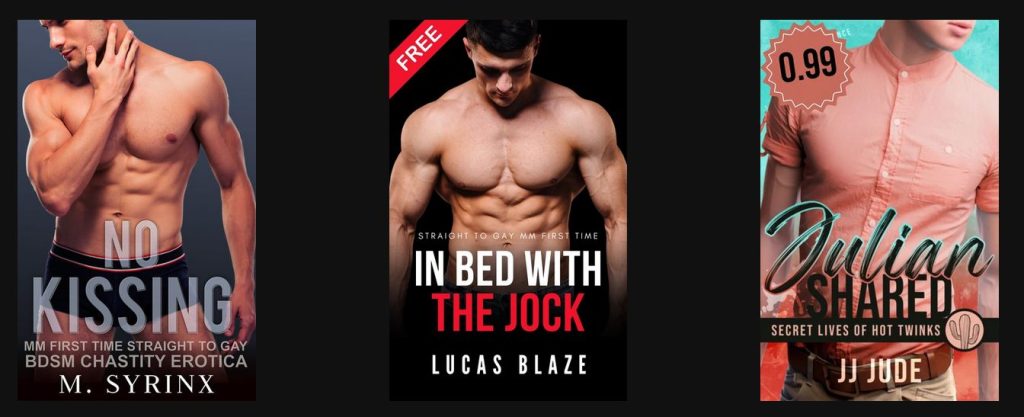
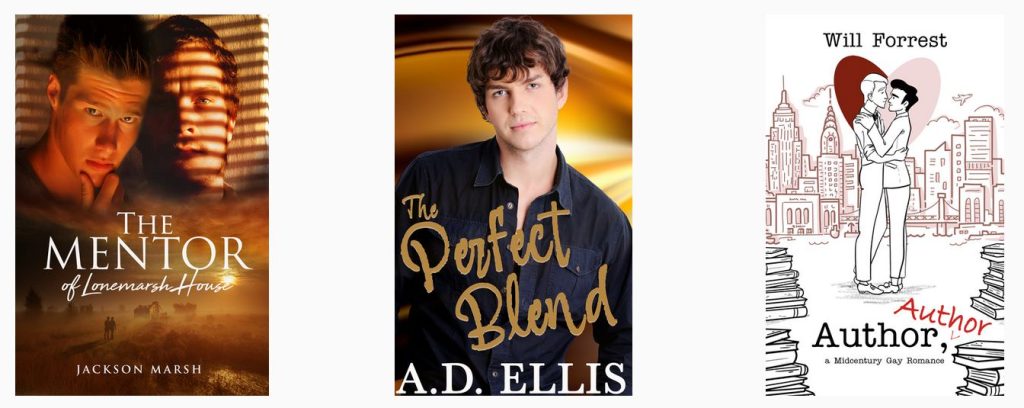
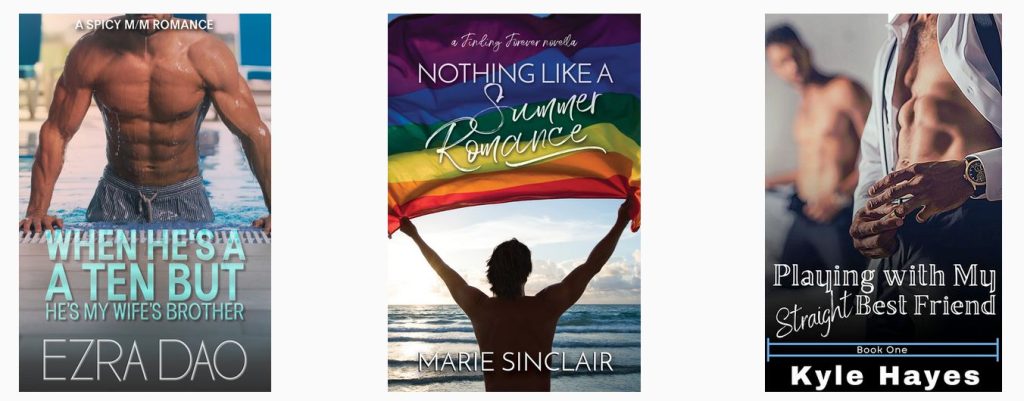
When you take a look at the list of titles in this weekend’s special promo, you’ll see an awful lot of bare chests. The book covers should come as no surprise, as they are classic staples of gay erotica and spicy romance genre cover images that we’ve come to expect. Bare chests (muscled, of course, have you ever seen a larger model on such a cover?), handsome face, usually young, chiselled features, braces, firemen, etc., and behind it all, some much-loved tropes and themes. MMM Straight to Gay. First time. BDSM. Vampires. Holiday romance. Age gap (like ‘Wildhill Farm’). Dark taboo… Everything you could want. Click the banner to find the Smutfest and fill your kinky boots with loads of free/reduced-price reading.

Click the banner

Cover Reveal: A Depraved Indifference

Something simple today. The cover for the Delamere Files Book Ten, ‘A Depraved Indifference,’ as created by the wonderful Andjela K.

All being well, the book will be published this week, so keep an eye on your Amazon notifications and my Facebook page.

UPDATE: 29th October. The Kindle version of the book is now available. Click here.

If you have not yet subscribed to my newsletter, you can do so here and be among the first to receive news of my books and other authors’ work in special free-to-browse promos. Talking of which, I have another for you after the cover reveal, which I will do after reminding you of the blurb:

A Depraved Indifference

The Delamere Files Book Ten

Jack Merrit longs for a case more challenging than burglaries and missing jewels, and when someone finds a skeleton inside a pipe organ, his wish comes true. At first, the strange discovery in the church of St Clement Danes seems like a prank, but when Jack’s next call is to a crime within earshot of the bells of St Martin’s, an uneasy pattern emerges.

Oranges and lemons say the bells of St Clement’s
You owe me five farthings, say the bells of St Martin’s

And then, the murders start.

If the first is chance, a second becomes a coincidence, but a third? That’s a pattern, and these are no ordinary murders. They involve diabolical contraptions that kill seemingly random victims. Asked by both London police forces to investigate without being told why, Jack and his men embark on an investigation knowing where the killer will strike next, but not when.

When the killer invites Jack to join his game, a contest of intellect begins, and knowing failure will lead to disgrace, he pits himself against his most cunning adversary so far.


PROMOS

MM Romance & Fiction There are 22 MM titles here, some, like mine, you may already know, but there are others I’ve not seen advertised before. Plus, there are some new authors to explore and a variety of niches within MM romance.

LGBTQIA+ Characters in Romance (All Pairings Welcome)

There are all manner of pairings within the realm of queer romance. KC Karmine is doing things with tentacles, Ann Lister is Pitch Perfect, and I have the Mentor of Lonemarsh House in the list. It’s a trifle awkward that on the row below that book is another using the same model in the same pose (it’s the same stock photo). Strangely, the book is called ‘Without Respect,’ which I find strangely fitting for the placement of our two novels.

About AI Spammers

Here’s a note for anyone else who might have published a book or two, and it’s about the way scummy scammers are using AI to make money. Here’s the start of an email I received this morning:

I recently explored *Snake Hill (The Delamere Files Book 9)*, and I was captivated by the way you weave suspense, rural legends, and complex character dynamics into this installment. The tension around the mysterious disappearances, the fire snake folklore, and the responsibility placed on both Jack and Simeon makes this book an engrossing read for fans of crime and mystery. Even with such a thrilling narrative, it seems this book hasn’t yet reached he wider audience it could captivate…

Do they think I am daft? Explored a book? What, you set out from the Royal Geographical Society with a brief to…? The rest of it is generated by an AI thing using my blurb, the text you can read on Amazon, which I wrote. All the person behind this is doing is generating dodgy text based on a book’s blurb, and having their system send out an email. These things then go with text like: Have you found it challenging to connect *Snake Hill* with readers who would enjoy the depth of your series, the unfolding mysteries, and the suspenseful twists

This email suggested I contact ‘Mary’ and, like most, it promised promotion leading to untold wealth. It wanted me to reply and beg them to help me publicise the book(s). Then, what they would do is take my money and get AI to send out a few random spams to random email addresses and move on to the next victim.

Bring the Past to Life with Historical Fiction

I am now receiving at least one of these emails every day, But, because I use Mailwasher, I see them before they get to my laptop, not that they are dangerous or anything, but Mailwasher comes with various commands. I can permanently mark and report the email address as spam, and I can also bounce it back, so the person/machine at the other end thinks my email address doesn’t work. Hehe.

I don’t reply because I will only get more spam from the same AI if I do, but I’d love to reply: ‘So, tell me, as you have read the book and see its potential, can you tell me, a) what is the first full sentence on page 213? And b) why you started a series at book nine and not book one?

I bet, for every one of me (who is slightly experienced in this self-publishing game) there is a newbie out there who falls for this trick and parts with money because their book isn’t selling as well as they thought it would – and they thought it would because AI wrote it for them. Believe me, I have published over 40 full-length novels (every word of which I have written myself), and without a massive publisher and their publicity machine, you ain’t going to make a living, so don’t waste your cash on AI-generated spammers.